



Flying private with baby can replace crowded terminals, rigid boarding windows, and tight connections with a calmer journey organized around your family. A carefully planned private charter may allow you to choose a departure time that respects feeding and sleep routines, spend less time in a busy terminal environment, and board without the usual rush.
That added control does not remove the need for preparation. Car seat approval, operator policy, cabin layout, sleep arrangements, baggage capacity, and ground transportation should all be reviewed before departure, particularly when traveling with a newborn or arranging your first private jet with an infant.
Flying Private With Baby: Car Seats and Lap Infant Rules
The FAA strongly recommends that young children travel in an approved child restraint system rather than on an adult’s lap. Regulations may allow a child under two to be held by an adult during movement, takeoff, and landing, but parents should not assume that every operator or itinerary will be handled in the same way.
Our team confirms the proposed arrangement with the operator selected for the charter. The final seating plan remains subject to the operator’s procedures, the individual aircraft configuration, and crew authority on the day of travel.
Parents who plan to bring a car seat should inspect its certification label well before departure. An appropriate restraint will generally include language confirming that it is certified for use in motor vehicles and aircraft, but the make, model, dimensions, and certification should still be shared for review.
Baby carriers, booster seats, and backless restraints are not substitutes for an approved child restraint system during phases when passengers must be secured. A dedicated passenger seat with an appropriate restraint provides a more secure option during turbulence and other unexpected movement.
Seat direction and cabin configuration also matter. A restraint that installs correctly in a car may not be suitable for every aircraft seat, particularly when a cabin includes side facing seats or a divan.
Before confirming a flight, provide a photograph of the restraint label along with its dimensions and installation requirements. We can relay those details to the operator and request confirmation of the proposed seat location before travel.
Choosing a Private Jet With an Infant
The best aircraft for infant travel is not necessarily the largest option. It is the aircraft whose seating, cabin layout, baggage capacity, and operating suitability align with the route and the way your family expects to travel.
For a shorter regional journey, a turboprop or light jet may be appropriate if the cabin can accommodate the approved restraint and essential baby equipment. A longer journey may call for a larger cabin with more practical space for feeding, changing, and rest during cruise.
Our aircraft categories available for private charter guide explains the distinctions among turboprops, light jets, midsize jets, super midsize jets, heavy jets, and ultra long range jets. Individual layouts vary even within the same aircraft model, so a category or model name should never replace a review of the actual cabin being proposed.
Before presenting charter options, our team asks how many adults and children are traveling, which restraint the family intends to use, and how much equipment will accompany them. A stroller, travel crib, diaper bag, personal luggage, and a separate ground transportation seat can require more storage than parents initially expect.
When flying private with baby for several hours, cabin height and access to the lavatory may matter as much as the published passenger capacity. Current cabin photographs and a seating diagram can often provide a clearer view of where the restraint may be installed and how essential items will be stored.
Cabin Noise, Feeding, and Sleep on a Private Plane With a Baby
A private cabin can feel calmer than a typical airline environment because there are fewer passengers, fewer announcements, and less movement around the seats. Actual sound levels still vary by aircraft, seat location, and phase of flight, so complete quiet should not be expected.
Takeoff and landing will generally feel different from cruise, and every child responds in an individual way. Familiar comfort items may help, while any hearing protection should be age appropriate and discussed with the child’s pediatric professional.
Pressure changes during climb and descent can cause discomfort in sensitive ears. Feeding by bottle or breast, or offering a pacifier when appropriate, may encourage swallowing, but parents should seek medical guidance based on their child’s health and age.
A private plane with a baby also gives parents more discretion during feeding and soothing routines. Once the crew permits movement in the cabin, parents may be able to adjust lighting, request a comfortable temperature, and maintain an environment closer to the baby’s familiar routine.
Departure timing can be equally valuable. Private charter may allow a trip to be planned around a feeding or sleep window, subject to aircraft availability, airport restrictions, weather, and operational requirements.
No schedule can make every feed or nap predictable. Thoughtful timing can nevertheless reduce avoidable pressure at the beginning of the journey and give the family more room to respond if the day changes.
Can a Bassinet Be Used on a Private Flight?
Dedicated airline style bassinets are not standard on many charter aircraft. A portable bassinet or another sleep arrangement may sometimes be possible during cruise, but it must be reviewed for the proposed cabin and approved by the operator before the trip.
Some larger cabins may include a divan, seating that converts for rest, or another suitable area for use once the aircraft is in cruise. These spaces do not replace an approved restraint during taxi, takeoff, landing, turbulence, or whenever the crew instructs passengers to be secured.
Parents should not assume that a portable crib or bassinet can remain assembled throughout the flight. We can ask where it may fit, when it may be used, and where it must be stowed during restricted phases.
Any bedding or sleep equipment should be disclosed before confirmation rather than introduced at departure. Advance review gives the operator an opportunity to consider its dimensions, placement, and storage requirements within the actual cabin.
Diaper Changes, Formula, and Cabin Preparation
Diaper changing arrangements differ significantly among aircraft. Some cabins have more practical lavatory space, while others may require an operator approved setup elsewhere during cruise.
Current photographs can help parents understand the available space before booking. The operator should also be asked how the crew prefers changing supplies, used diapers, and cleaning materials to be handled during the flight.
Extra linens, disposal bags, bottled water, and suitable snacks may be requested as part of cabin planning. Formula preparation and storage requirements should be communicated precisely, including what the family will provide and what they would like arranged before boarding.
Parents should pack enough feeding and changing supplies to account for an unexpected delay, even when the itinerary is nonstop. Essential items are best kept together in one accessible cabin bag rather than placed among baggage that may be difficult to reach during the flight.
Medication and medically necessary supplies require particular care. Parents should keep them accessible, follow their pediatric professional’s instructions, and inform the planning team of any storage need that could affect aircraft or catering arrangements.
Private Flights With a Baby From VNY, TEB, OPF, DAL, and ASE
One of the most meaningful distinctions in infant private aviation occurs before the family enters the aircraft. Private flights generally use dedicated aviation facilities where passengers can wait outside a large airline terminal and coordinate a more direct transfer between their vehicle and aircraft.
Procedures differ by airport, facility, itinerary, and current security conditions. We confirm the assigned arrival point, recommended arrival timing, stroller handling plan, and available vehicle access with the operator before departure.
For Los Angeles travel, Van Nuys Airport (VNY) is a key private aviation departure point. Families should confirm their assigned facility and driver instructions rather than relying on a previous visit, since handling arrangements may change with the aircraft and operator.
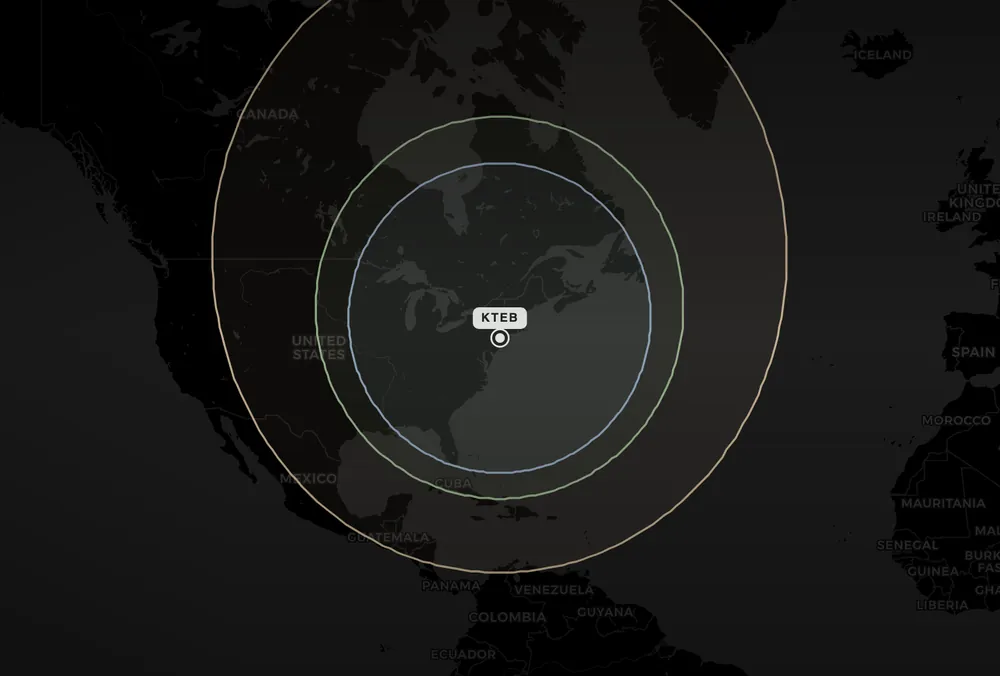
In the New York area, Teterboro Airport (TEB) is frequently considered for private charter itineraries. Ground transfer timing, facility assignment, and any international procedures should be reviewed for the specific trip before the family leaves home.
For Miami, Opa-locka Executive Airport (OPF) may provide a convenient private aviation option depending on the family’s origin, destination, and aircraft needs. The correct arrival location and vehicle access procedure should be included in the final itinerary.
Dallas Love Field (DAL) supports both private and scheduled aviation activity. Because facility assignments and vehicle procedures can vary, families should receive precise arrival instructions and coordinate the infant restraint for ground transportation in advance.
Aspen/Pitkin County Airport (ASE) requires particular flexibility because mountain operations can be affected by weather, airport conditions, and aircraft performance considerations. The operator and flight crew make all operational decisions, and parents should maintain flexible ground plans in case the itinerary needs to change.
Across Los Angeles, New York, Miami, Dallas, and Aspen, the ground vehicle deserves the same attention as the aircraft. The child’s age, restraint type, number of passengers, stroller dimensions, and luggage volume should be shared with the transportation provider rather than assumed.
Planning Your First Private Flight With an Infant
Begin by sharing the baby’s age, travel date, route, and any health consideration that could affect the journey. Parents traveling with a newborn, or with a child who has a recent illness or ear concern, should consult their pediatric professional before flying.
Next, provide the make and model of the child restraint, its dimensions, and a clear photograph of the aircraft certification label. This information allows the operator to review the proposed installation and identify concerns before the aircraft is positioned for departure.
Your daily routine is useful planning information as well. Share the baby’s usual feeding and sleep windows, along with any request for refrigeration, water, catering, linens, or cabin temperature.
Ground arrangements should be coordinated at the same time. Confirm whether the family will bring its own car seat, request one from the transportation provider, or use separate restraints for the aircraft and vehicle.
Stroller plans should also be explained before the trip. Depending on its dimensions and the aircraft’s baggage area, a stroller may need to be folded, protected, and stored before boarding rather than kept in the passenger cabin.
The final trip brief should cover preferred departure timing, car seat installation, baggage, feeding supplies, sleep requests, changing arrangements, and transportation. Early coordination creates more time to compare suitable cabin layouts and resolve questions with the operator before travel day.
How We Coordinate Family Charter Travel
Amalfi Jets is a charter broker, not an aircraft operator. We source aircraft through qualified operators and help match each trip with an option suited to its route, passenger requirements, cabin preferences, and safety considerations.
That distinction matters when arranging a baby on private jet travel because policies can vary among operators and individual aircraft. We ask detailed questions, communicate the family’s requirements, and help clients compare options based on the practical realities of the journey.
Our private charter planning and quote guide explains how aircraft selection, airport choice, crew logistics, and other trip details shape a proposal. For family travel, that same planning discipline extends to restraint compatibility, cabin configuration, catering, facility coordination, and ground vehicles equipped for an infant.
We can request current cabin photographs, review proposed seating with the operator, communicate feeding needs, and coordinate approved equipment where permitted. Every request remains subject to operator confirmation and crew authority, which is why clear preparation is essential.
Flying private with baby cannot make every feed, nap, or change predictable. It can give your family greater control over the schedule and setting, with an experienced charter broker coordinating the details that help the journey feel manageable.
To begin planning, start a charter request with our team and share your route, preferred dates, passenger details, and infant travel requirements. We will help identify an appropriate charter option and coordinate the journey around your family’s practical needs.