



For travelers entering Montana’s Gallatin Valley, Bozeman Airport offers a natural arrival point for Bozeman, Big Sky, regional ranch properties, and Yellowstone itineraries. Bozeman Yellowstone International (BZN) combines private aviation services with direct access to some of southwest Montana’s most sought after mountain destinations.
Fall 2026 introduces distinct planning considerations for the region. Guided hunting and fishing itineraries can concentrate demand on particular dates, while early ski season travelers often begin arranging winter residence stays and Big Sky visits before the first major snowfall.
Bozeman Airport and KBZN Airport Essentials
Bozeman Yellowstone International uses the IATA code BZN and the ICAO code KBZN. Located near Belgrade and Bozeman, the airport places arriving travelers in the Gallatin Valley without requiring a connection through another regional hub. The airfield can accommodate a broad range of charter aircraft, subject to the operating carrier’s assessment of runway performance, weather, payload, passenger count, and baggage. Current airport data and operating requirements should always be confirmed for the proposed travel date before an aircraft is selected.
For an itinerary centered on Bozeman, BZN is generally the first airport to evaluate. It is not automatically the most suitable choice for every ranch, lodge, Big Sky residence, or Yellowstone journey, so the final address and ground route should guide the recommendation. Travelers can consult our private jet charter guide to Bozeman Yellowstone International Airport for additional context on the airfield and representative journeys. This airport specific planning should be considered alongside the broader purpose and timing of your trip.
Why BZN Is a Gateway to Big Sky and Yellowstone
BZN Airport provides access to downtown Bozeman, Big Sky properties, fishing lodges, private residences, ranch retreats, and broader Yellowstone itineraries. Yellowstone may be the central purpose of the journey or one component of a longer stay across southwest Montana. The best arrival plan depends on more than the airport’s proximity to a destination on a map. Seasonal road conditions, property access, luggage requirements, activity schedules, and the location of the confirmed aircraft facility can all shape the transfer after arrival.
Big Sky travelers may be staying at a private residence, mountain resort, lodge, or ranch property. Because seasonal operations and access arrangements can change, lodging details and check in requirements should be confirmed before the aircraft schedule and local transportation plan are finalized.
Choosing BZN or Another Bozeman Private Jet Airport
Bozeman private jet airport planning can include several regional alternatives. Big Sky Airport, Mission Field Airport, Yellowstone Airport, and Bert Mooney Airport may each be relevant when geography, seasonal access, aircraft performance, and local support align with the itinerary. Big Sky Airport may merit evaluation for a journey closely focused on Big Sky, provided the proposed aircraft can operate there within all applicable limits. Mission Field can align with certain ranch oriented journeys, while Yellowstone Airport may be relevant for some park itineraries when seasonal availability and operating conditions permit.
Bert Mooney Airport can offer another planning option if aircraft sourcing, weather, or the final destination favors a different approach. None of these airports should be treated as an automatic substitute for BZN. Runway requirements, handling arrangements, mountain weather, aircraft positioning, ground travel, and seasonal conditions all influence the decision. Amalfi Jets compares these factors with the selected operator before recommending an airport and aircraft pairing for the complete itinerary.
Private Aviation and FBO Options at BZN Airport
Published airport information identifies Jet Aviation Bozeman, Signature Aviation BZN at Yellowstone Jet Center, and Million Air Bozeman as fixed base operator options serving private aviation. Operating hours, parking arrangements, available services, and seasonal procedures can change, so the applicable details should be confirmed for every movement. Depending on the provider and schedule, support may include passenger lounges, concierge coordination, fueling, hangar arrangements, deicing, catering coordination, and crew facilities. International arrival or departure requirements also demand advance review and should never be assumed from general airport information.
FBO selection involves more than choosing a passenger lounge. Ramp capacity, aircraft parking, fuel requirements, hangar availability, catering timing, vehicle access, and the onward route can all determine which facility is best suited to an arrival. Early coordination becomes particularly important during periods of concentrated demand. Aircraft parking and support arrangements may be more limited when seasonal travel, weather, and operator activity converge.
Amalfi Jets acts exclusively as a charter broker and does not operate aircraft or FBO facilities. Our team sources aircraft from vetted operators and coordinates the trip with the chosen operator, airport service providers, and local transportation partners.
BZN Airport Routes From Los Angeles, Dallas, Chicago, New York, and Seattle
A private charter can connect Bozeman Airport with departure points selected around passenger location, schedule, aircraft availability, and ground convenience. Common planning conversations include departures from Los Angeles, Dallas, Chicago, New York, and Seattle. From Southern California, Van Nuys Airport (VNY) can offer a practical departure point for Big Sky stays, Yellowstone journeys, and time at a Montana residence. Aircraft selection depends on passenger count, baggage, cabin preferences, weather, and available operator inventory rather than distance alone.
Dallas Love Field (DAL) supports direct charter planning from North Texas for ranch visits, guided sporting trips, and mountain stays. Whether a particular aircraft can complete the mission as proposed depends on its performance, payload, weather, and operating requirements on the travel date. Chicago Midway International Airport (MDW) can serve travelers departing from the Chicago area for a short visit or extended stay. Winds, routing, airport conditions, baggage, and operator requirements should be evaluated before the schedule is treated as final.
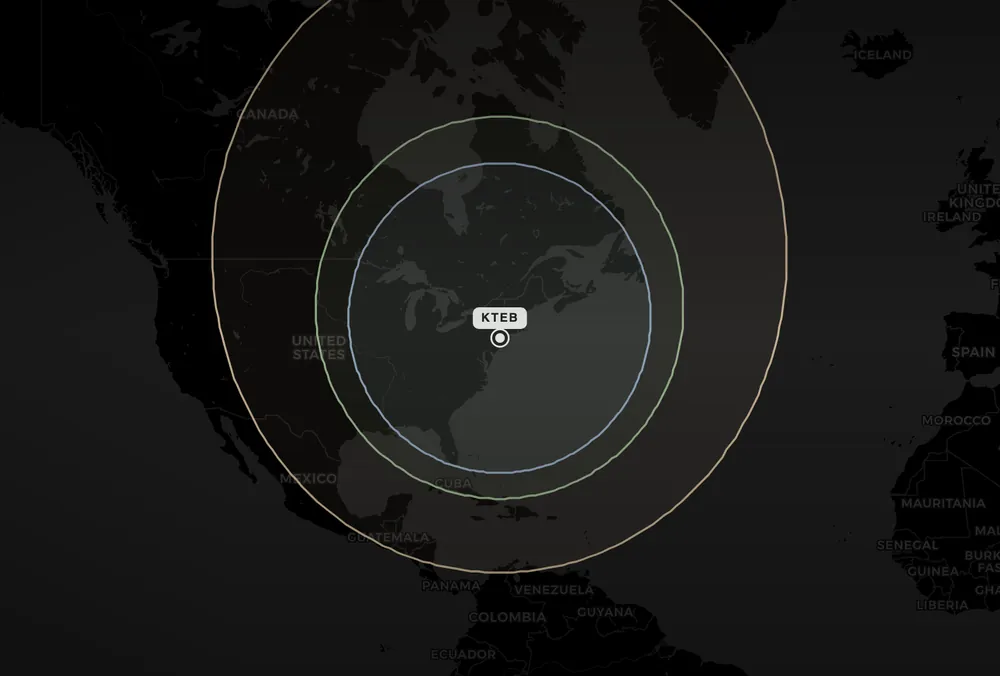
For travelers in the New York area, Teterboro Airport (TEB) is frequently considered for private aviation departures to Montana. Cabin requirements, passenger count, baggage, aircraft sourcing, and seasonal conditions guide the final recommendation for this longer journey. Seattle’s Boeing Field (BFI) provides a convenient regional departure option for travelers in the Pacific Northwest. Even on a shorter route, aircraft selection requires attention to weather, baggage, runway performance, and any positioning needed to place the aircraft for departure.
Why Fall 2026 Bozeman Charter Demand Requires Early Planning
Autumn in southwest Montana can combine quieter intervals with highly focused demand. Fishing, ranch visits, guided hunting experiences where permitted, and early winter preparations may place pressure on preferred dates, aircraft categories, accommodations, and local transportation. Hunting seasons and regulations vary by location, species, license, and year. You should confirm Fall 2026 requirements with qualified outfitters and the relevant authorities before finalizing an itinerary, while our team aligns confirmed activity dates with charter and transfer planning.
October and November may offer flexibility for some journeys, but that flexibility should not be interpreted as guaranteed aircraft availability. Weather systems, operator positioning, local events, early snow, and demand around specific dates can change the available options quickly. Fall is also an important period for arranging December through March ski travel. Confirming preferred dates early gives our advisors more opportunity to compare aircraft, departure airports, routing structures, and handling arrangements before the busiest winter periods become constrained.
Mountain Weather and Aircraft Selection for Bozeman
Montana weather can change quickly during fall as colder systems enter the region and snow begins at higher elevations. Visibility, winds, icing conditions, deicing requirements, and overnight temperatures may affect timing, airport selection, hangar needs, and the operator’s flight plan. An aircraft should not be selected for a Bozeman journey based solely on cabin size. Range, runway performance, payload, baggage volume, weather capability, and the operating company’s requirements must be considered together.
This review becomes especially important when a regional airport with more limited infrastructure is under consideration. A geographically closer airfield may not provide the most practical solution once aircraft performance, support services, weather, and the final ground transfer are assessed. Our team coordinates with the operating carrier and airport service providers to confirm the practical details. The operating carrier retains authority over aircraft safety and all flight decisions.
From Bozeman Yellowstone International to Big Sky
A successful transfer from BZN begins with the actual destination rather than a general regional label. A downtown Bozeman hotel, Big Sky residence, remote lodge, and ranch property can each require a different vehicle, pickup plan, and allowance for seasonal road conditions. Ground transportation should be arranged around the confirmed aircraft schedule and FBO. Vehicle size should reflect the passenger count as well as skis, outdoor clothing, fishing equipment, and other baggage that may require additional cargo space.
Arrival timing should also account for lodging access, property staff, planned meals, and guided activities. A carefully coordinated ground plan helps preserve flexibility if mountain weather or an operating update changes the aircraft schedule. Our private charter guide to Bozeman provides broader destination planning context. It explains how airport selection, seasonality, and the final address work together across a complete Montana itinerary.
Reaching Yellowstone Through Bozeman Airport
Bozeman Yellowstone International can serve as a practical gateway for Yellowstone itineraries, particularly when the journey also includes Bozeman, Big Sky, or another Gallatin Valley destination. The correct route depends on the planned entrance, lodging location, seasonal road access, and activities included in the stay. You should not assume that every park road, property, or seasonal service will be available throughout fall. Confirmed local arrangements should inform the aircraft schedule, airport choice, and transfer plan rather than being added after the charter has been contracted.
For a trip involving several lodges or outdoor activities, scheduling the itinerary first is especially valuable. It allows the airport, aircraft, vehicles, and schedule to be coordinated around the actual sequence of the journey.
Planning Sporting Equipment and Ski Baggage
A fall or early ski season trip often involves more baggage than a typical city journey. Outdoor clothing, skis, fishing equipment, and other sporting items can influence aircraft selection and ground vehicle requirements even when the passenger count is modest. All sporting equipment should be disclosed during the initial request. The operator must confirm storage dimensions, loading limits, and any applicable carriage requirements before the aircraft is contracted.
Items connected with hunting require additional review under operator policies and all relevant laws. They should never be assumed acceptable without complete disclosure and advance confirmation from the appropriate parties. Accurate baggage details help prevent avoidable changes close to departure. Photographs and measurements can be useful for unusually shaped cases, allowing the broker and operator to evaluate storage requirements during sourcing.
What Determines a Bozeman Private Charter Quote?
A private charter quote reflects the complete operating plan rather than a single published fare. Aircraft category, positioning, route structure, passenger count, seasonal demand, airport charges, deicing needs, crew logistics, and overnight requirements may all affect the proposal. A one way journey may require the aircraft to reposition before or after the passenger flight. A round trip can involve crew waiting time, overnight arrangements, or separate aircraft for each direction, depending on availability and the requested schedule.
Amalfi Jets compares available structures rather than assuming that one format will always provide the strongest balance of suitability and value. Each proposal should be reviewed in relation to the operator, aircraft, itinerary, terms, and services included. Our 2026 private jet charter cost guide provides a broader explanation of the variables behind a tailored proposal. This context is particularly helpful for travel into a seasonal mountain market where weather, positioning, and concentrated demand can affect sourcing.
How Early Should a Fall 2026 BZN Charter Be Arranged?
There is no universal booking deadline for BZN because availability depends on the date, route, aircraft category, and wider charter market. Flexible autumn journeys may present more sourcing options, while preferred ski periods and holiday dates generally benefit from earlier planning. For Fall 2026, you should begin once dates, passenger count, lodging, and activity arrangements are reasonably clear. If the schedule remains flexible, sharing acceptable travel windows can help identify stronger aircraft and route combinations.
Winter planning is best addressed before preferred dates become fixed across a larger group. Residence access, family schedules, instructor arrangements, and lodge requirements can narrow departure windows and make early coordination more valuable. An early request does not eliminate the need for final operational review. Weather, aircraft availability, airport conditions, and operator approval remain relevant through departure.
What Happens if Weather Changes the Bozeman Plan?
Weather contingency planning begins with choosing an aircraft and airport combination appropriate for the mission. The operating carrier makes all safety and flight decisions, while our team coordinates communication, revised handling, local transportation, and alternate airport planning when needed. If BZN becomes impractical, another airport may be evaluated according to current weather, runway conditions, handling support, aircraft performance, and the resulting drive to the destination. The closest airport geographically is not always the most effective operational choice.
A well structured itinerary also protects appropriate time around lodge arrivals, residence access, and guided activities. Thoughtful flexibility in the ground plan can make a changing forecast easier to manage without losing sight of the intended experience.
Plan Your Bozeman Charter With Amalfi Jets
A considered Bozeman journey begins with a clear understanding of what happens after the aircraft arrives. Dates, passenger count, baggage, departure airport, accommodations, local transportation, and sporting equipment give our advisors the information needed to compare suitable options. Amalfi Jets acts exclusively as a charter broker, sourcing aircraft from vetted operators and coordinating the operational details around your priorities. Whether Fall 2026 plans involve a ranch stay, a permitted guided hunting experience, Yellowstone, Big Sky, or preparations for ski season, your journey can be shaped from departure through the final transfer.
When your dates begin to take form, you can request a private charter with Amalfi Jets. Our team will prepare a considered proposal for Bozeman, Big Sky, and the Yellowstone gateway around the way you intend to travel.