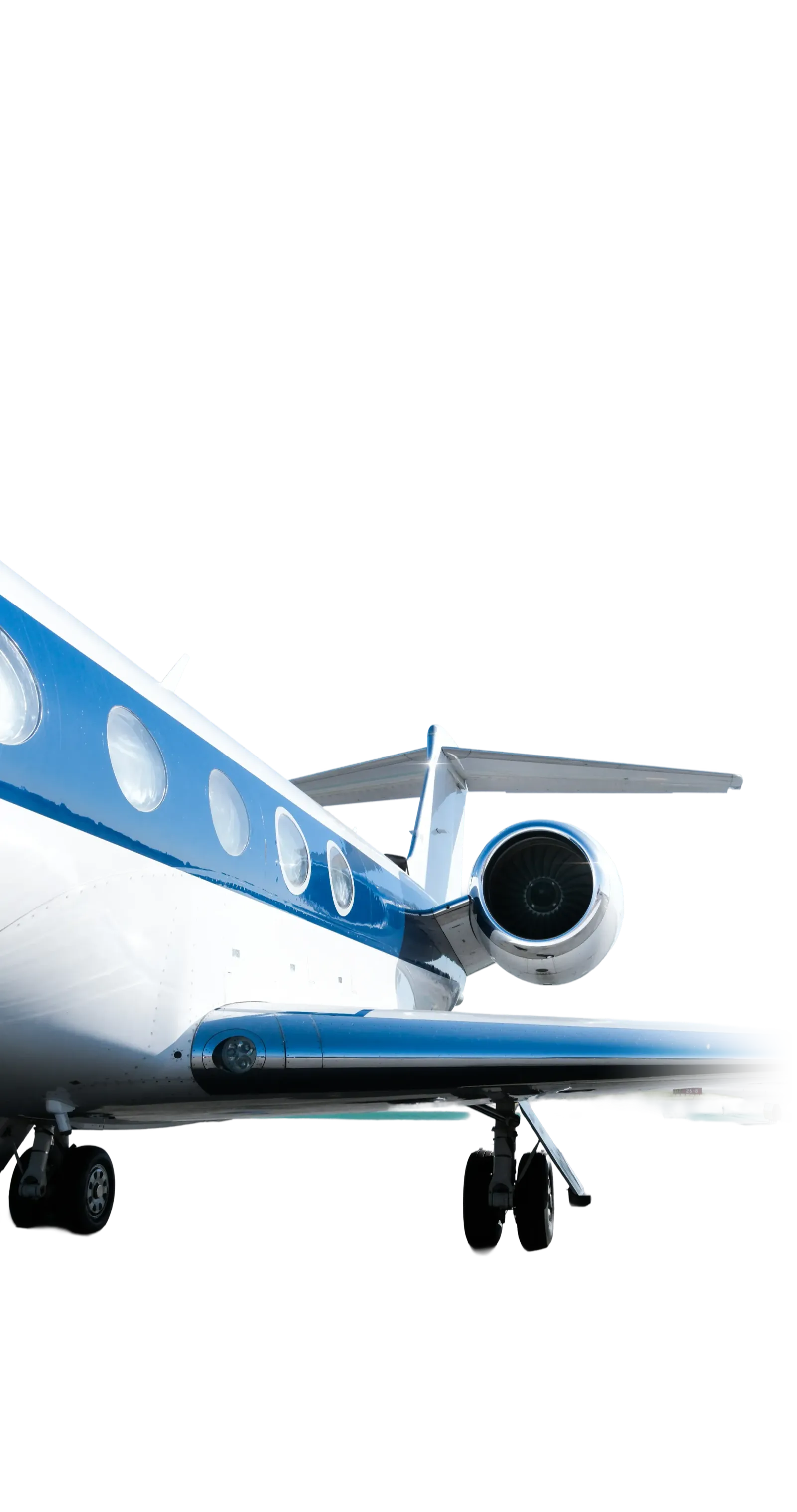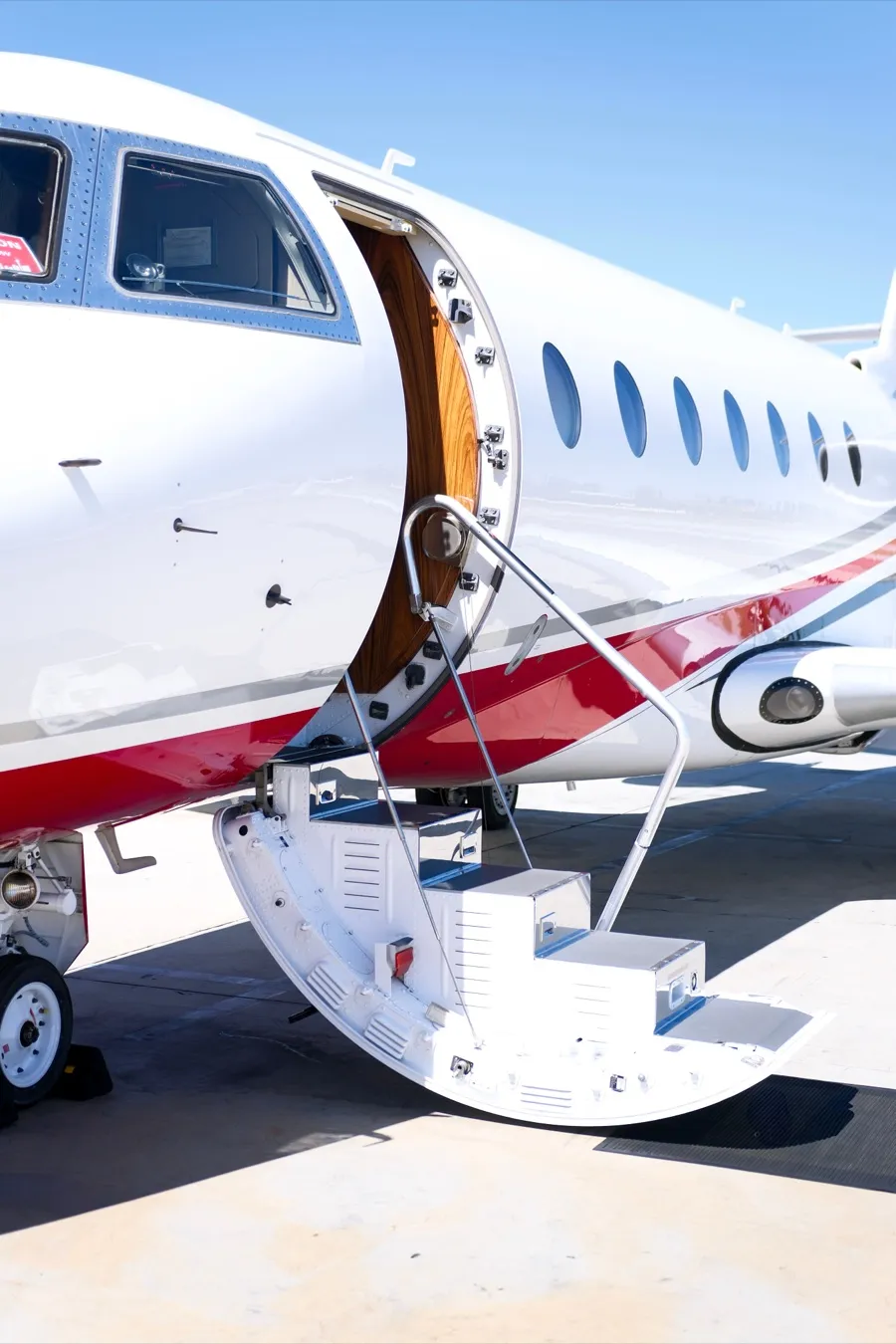




Fortune 500 companies frequently rely on private aviation to maintain operational security and discretion during sensitive business activities. The primary motivation for this is the need to conceal travel plans from competitors, as public tracking of corporate aircraft can reveal merger and acquisition activity before it is formally announced. By utilizing private charter services, these organizations gain anonymity, preventing others from monitoring their movements.
Furthermore, private aircraft provide a secure airborne boardroom environment, allowing for confidential discussions without the risk of external observation. The use of private terminals also serves as an effective public relations tool, shielding executives from unwanted media attention, paparazzi, and other public scrutiny. For organizations with a critical requirement for absolute secrecy, private charter is the primary solution to maintain control over their corporate communications and strategic planning.